

Alibaba Integrates Qwen AI With Taobao for AI-Powered Shopping Experience
Alibaba is preparing to take online shopping in a very different direction — one where users may no longer need to search through endless product listings or compare pages manually.
According to a source familiar with the company’s plans, the Chinese tech giant is working on integrating its Qwen artificial intelligence platform directly with Taobao, one of the world’s largest online marketplaces. The goal is simple: let people shop by having a conversation with AI.
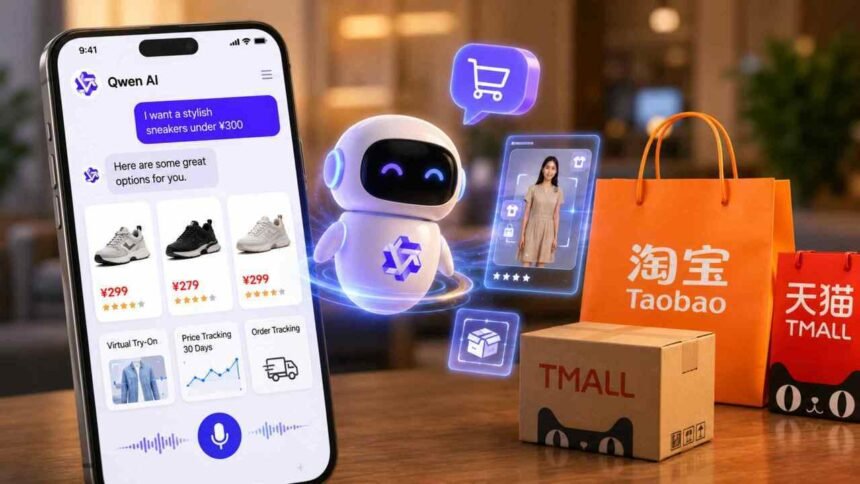
Instead of typing keywords into a search bar, users would be able to ask the AI assistant for product suggestions, compare options, place orders, and even manage post-purchase support through natural conversations inside the Qwen app.
The system is expected to connect users to Taobao and Tmall’s massive catalog of more than 4 billion products. Alibaba is also reportedly building a “skills library” behind the scenes that would allow the AI assistant to handle logistics tasks, order tracking, and after-sales support.
The move signals how quickly AI is starting to reshape online commerce — especially in China, where tech companies are moving aggressively to blend artificial intelligence directly into consumer apps.
Alibaba’s upcoming shopping assistant inside Taobao is also expected to include features like virtual try-ons and 30-day price tracking tools designed to help users decide when to buy products.
The company appears to be betting that conversational shopping could eventually replace the traditional search-and-scroll experience that has dominated e-commerce for years.
While American companies have also pushed deeper into AI, most U.S. shopping platforms still rely heavily on standard marketplace systems. Amazon has introduced AI features inside its ecosystem, but has remained relatively cautious about allowing AI agents to fully manage transactions. Shopify, meanwhile, has focused more on letting outside developers build AI tools around its platform instead of creating a fully integrated consumer AI assistant.
Alibaba’s approach highlights how Chinese tech firms are moving faster toward “agentic shopping,” where AI doesn’t just recommend products — it actively helps users complete purchases from start to finish.
The broader shift could have major implications for how people discover products online in the coming years. If conversational AI shopping gains traction, traditional keyword searches and product browsing may eventually become less important than personalized AI-driven recommendations.
For consumers, that could mean faster shopping experiences. For retailers, it could fundamentally change how products are promoted and discovered online.