

Smartphones have looked more or less the same for over a decade — flat, glossy rectangles with ever-better cameras and AI filters.
But Honor’s latest concept wants to change that story entirely.
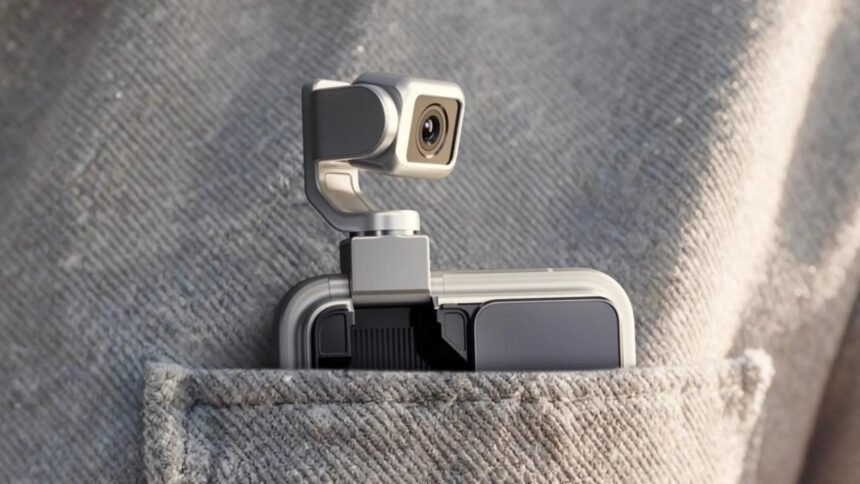
This week, the Chinese tech brand teased what it calls the “Robot Phone” — a device that literally moves. Its rear camera sits on a fold-out robotic arm that can flip, rotate, and even act on its own. In a short CGI demo, the camera swivels playfully, like a tiny droid peeking at its surroundings.
It’s the most unusual smartphone idea to surface since foldables, and Honor says it’s only the beginning.
When Cameras Start Thinking for Themselves
Honor’s robotic camera isn’t just about new angles; it’s about autonomy. The company says the device will use AI-driven motion control to sense environments, frame shots intelligently, and react to users’ gestures in real time.
Imagine setting your phone on a table — and instead of you adjusting to it, the phone adjusts to you. The robotic arm could follow your movement during a video call, tilt to find better lighting, or rotate to capture cinematic clips hands-free.
The concept, Honor says, represents its “Alpha Plan” — a five-year, $10-billion transformation from smartphone maker to AI-driven device company.
Also Read: Threads Just Got Group Chats — And Meta’s Real Plan Behind It Is Starting to Show.
The Emotional Machine
Honor’s teaser goes beyond engineering. It hints at a future where devices become companions, not just tools.
Company executives described the Robot Phone as a “personal emotional partner,” designed to bring “love, joy, and wisdom” through intelligent interactions.
While it sounds poetic — and maybe a little eerie — it fits the industry’s growing fascination with human-AI relationships. The same theme runs through products like smart home bots, AI-driven wearables, and even voice companions that “learn” your moods over time.
Also Read: Apple’s M5 iPad Pro Isn’t Just Faster — It’s Finally Thinking for Itself.
Honor Robot Phone Design
Early reactions online compared the concept to ASUS’s Zenfone 6 or DJI’s Osmo Pocket — but Honor’s design takes it further.
Unlike a simple flip camera, this dual-part module unfolds and operates independently, much like a mini robotic gimbal embedded inside the phone.
If real, it could redefine how we think about mobile photography — moving away from static lenses to kinetic intelligence.
Honor hasn’t shared specs, pricing, or release timelines yet, but it confirmed a showcase at Mobile World Congress 2025 in Barcelona.
With the Robot Phone, Honor seems less interested in specs and more in symbolism.
It’s a declaration that the smartphone era isn’t over — it’s about to evolve.
Also Read: OpenAI’s Next ChatGPT Update Promises a Controversial New Freedom.