
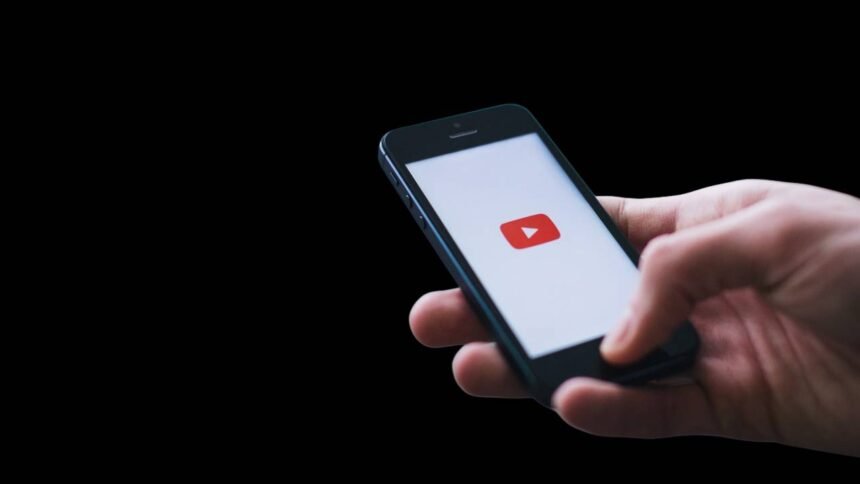
On October 15, millions around the world found themselves staring at frozen screens as YouTube went down globally, affecting playback across YouTube, YouTube Music, and YouTube TV. The outage, which spiked around 8 p.m. ET, left users unable to stream videos — even as advertisements continued playing normally for many.
Within half an hour, YouTube confirmed that the problem had been resolved. In a short update on X and its Google Support thread, the platform said playback should now be working “as usual,” though no explanation was offered for what caused the disruption.
According to Downdetector, more than 800,000 reports of errors were filed during the outage, making it one of YouTube’s most widespread service interruptions this year. Many users across the U.S., Europe, and parts of Asia reported similar experiences: videos stuck in loading loops, “something went wrong” errors, or blank screens where thumbnails should have appeared.
While the company didn’t disclose the source of the issue, YouTube clarified that the glitch was limited to video playback and didn’t impact uploads, comments, or account access. The quick recovery suggests that the disruption was caused by a temporary internal configuration problem rather than a full-scale server failure.
For users still facing playback issues, Google’s support page and the Team YouTube account on X remain the go-to sources for live updates. YouTube also encourages affected users to share feedback through its Help Community, where employees occasionally post clarifications when large-scale incidents occur.
The outage served as a reminder of just how deeply YouTube is woven into daily life — from news and entertainment to education and livestreams. Even thirty minutes of silence on the world’s biggest video platform is enough to show how central it’s become to the internet’s rhythm.
Also Read: Say “Hey Copilot” — Windows 11 Just Got a Major Upgrade.